
Vape Flavour Fading Before Zero? What the Screen Really Means
Quick answer
A battery or e-liquid percentage is not a flavour-strength score. If the flavour fades before the display reaches zero, separate three things: what the screen reports, what changed in the flavour or vapour, and whether the device shows any physical warning sign. Do not open, refill or repeatedly test a sealed device to force an answer.
The screen still shows something left. The flavour already feels flat. That mismatch is exactly why the percentage can feel dodgy: it looks precise, while the experience is anything but.
Australian vape discussions put the frustration more bluntly: “the flavour is dying at around 20%”. The number will vary; the important part is the gap between a confident-looking display and a device that no longer feels the same.
Start by separating three signals
Treat the screen, the flavour change and the physical condition of the device as three separate inputs. A non-zero display does not cancel out fading flavour, and fading flavour does not prove a battery fault. This separation keeps one vague symptom from turning into an invented diagnosis or a risky attempt to get “the last puffs” out of a sealed device.
| Signal | What you can record | What it does not prove |
|---|---|---|
| Display state | Battery level, e-liquid level, selected mode or a model-specific light pattern | Exact flavour strength, exact millilitres remaining or a guaranteed number of puffs |
| Flavour and vapour change | Whether the change was sudden or gradual, whether vapour also dropped, and whether the taste is muted or burnt | The internal cause, authenticity or remaining device life |
| Physical warning signs | Damage, swelling, leakage, unusual heat, odour, noises, vapour from the casing or smoke | That the device can be repaired at home |
Keep the observations separate until the exact model’s documentation connects them.
What a vape screen actually claims to measure
Official product pages describe screen functions in model-specific terms. The IGET One manufacturer page says its curved display tracks battery level, e-liquid level and the selected mode. GEEK BAR’s HERO instructions also separate the battery display from the remaining e-liquid indicator. Neither calls the percentage a taste meter.
A screen can display a device state without measuring the intensity or quality of the flavour you perceive. Screen rules also stay with the model: one device may show separate percentages, while another uses colour bands or a warning light. The current IGET One screen guide explains that product’s display, not every disposable.
If the maker does not publish the display logic, the honest answer is that the exact calibration is unknown. “20%” may look like a laboratory measurement, but the public page may not tell you what threshold, sensor or calculation sits behind it. Do not fill that gap with a confident number of millilitres or days.
Why flavour can fade before the display reaches zero
The simplest supported explanation is that the two signals are not measuring the same thing. A remaining-liquid or battery indicator reports a level; flavour is an output affected by the complete device in use. Manufacturer guidance can describe weaker flavour or vapour near end of life, but it cannot diagnose a different brand from a percentage alone.
Vuse lists weaker flavour or vapour among possible end-of-life signs in its product guidance. That model-specific example does not prove that every muted taste means the liquid is nearly empty or that a device showing 20% is defective.
From the outside, you can record that the flavour changed, whether the vapour changed, what the screen reports and whether a physical warning sign is present. That is enough to choose the next observation, not enough to name an internal failure.
Use a short external check, not repeated test puffs
Record the exact model, the screen state and the timing of the change. Then inspect only what is visible from the outside. Do not chain-puff to make the percentage move, insert tools into the mouthpiece, remove a sealed part or try an undocumented charging method. The goal is to close uncertainty, not stress the device until it gives a dramatic answer.
- Confirm the exact model. Read the product name on the device or packaging. Similar-looking products can use different indicators, batteries and modes.
- Write down what the display shows. Record battery, e-liquid and mode separately if the screen provides them. A photo can preserve the state without relying on memory.
- Describe the change precisely. “Muted but otherwise normal”, “less vapour”, “persistent burnt taste” and “no output” are different symptoms.
- Check the exterior. Look for damage, distortion, leakage or a visibly blocked opening. Do not put anything into the air path.
- Stop if a warning sign appears. The CFA lists swelling, leaking, unusual heat, strong odours, abnormal sounds, smoke and physical damage among lithium-ion battery warning signs in its battery guidance.
If the device is damaged, leaking, very hot, hissing, changing shape or smoking, flavour is no longer the main question. Stop using it and follow the manufacturer and local battery-disposal guidance. For smoke, fire or an immediate danger, move away and call 000.
Muted flavour, burnt taste and device warnings are different
Muted flavour is not automatically a burnt hit, and neither should be confused with a physical battery warning. Sorting the symptom into the right lane avoids copying advice from the wrong article or another model. It also prevents a screen percentage from overruling a condition you can see, smell or hear on the device itself.
| What you notice | Useful interpretation | Next boundary |
|---|---|---|
| Flavour is weaker, but there is no burnt taste, damage, leak, unusual heat, smell or noise | Record the display and model; the cause remains unconfirmed | Use the exact manual or product page; do not invent an internal fix |
| Taste is persistently burnt or harsh | This is a different search job from a fading flavour | Use the separate burnt-taste guide and do not force continued use |
| Vapour drops sharply or the device stops responding | Treat it as a performance/fault symptom, not a taste-only issue | Preserve the timeline and contact the seller or maker where appropriate |
| Damage, swelling, leaking, unusual heat, odour, noises or smoke | A device or battery warning may be present | Stop using it; do not charge, open or repair it |
This article has no lab reading, internal inspection or first-hand test of the unit in your hand. It cannot say that the cause is definitely the coil, battery, liquid level, storage history or authenticity. Certainty from “20%” alone would be guesswork.
What not to do when the percentage feels wrong
Do not turn a confusing display into a repair project. A sealed disposable is not a puzzle box. If the flavour is fading, opening the casing, puncturing it, refilling it or borrowing a charging method from another model adds risk without making the percentage more trustworthy. The same stop line applies when the device seems too expensive to retire early.
Avoid:
- opening, cutting, squeezing or puncturing the casing;
- refilling a sealed reservoir;
- inserting tissue, pins or tools into the mouthpiece or air inlet;
- charging unless the exact model and supplied instructions document charging;
- using repeated long puffs as a “test”;
- assuming a non-zero screen means the device must keep working; or
- assuming a fading flavour proves the product is fake.
For IGET, check the package code on IGET’s official Product Authentication page; the screen percentage is not an authenticity check.
When a high-puff device cost real money, an early drop can look like planned obsolescence or a promise that was too good to be true. That frustration is a reason to demand clearer product information, not to work inside a sealed battery device.
Read the next product page differently
When you compare another device, look for explicit model-level information rather than the biggest number on the card. A useful product page tells you what the display reports, whether the puff figure is an “up to” rating, which modes exist and what charging method—if any—the manufacturer actually documents.
Current category pages answer a different question: what is listed now. The IGET One range is relevant if a documented battery/e-liquid/mode display matters. The Double Happiness Hype range is a separate line; do not assume its indicators, modes or internals match IGET One.
Two current product examples make that model distinction visible. They are not taste-test evidence.
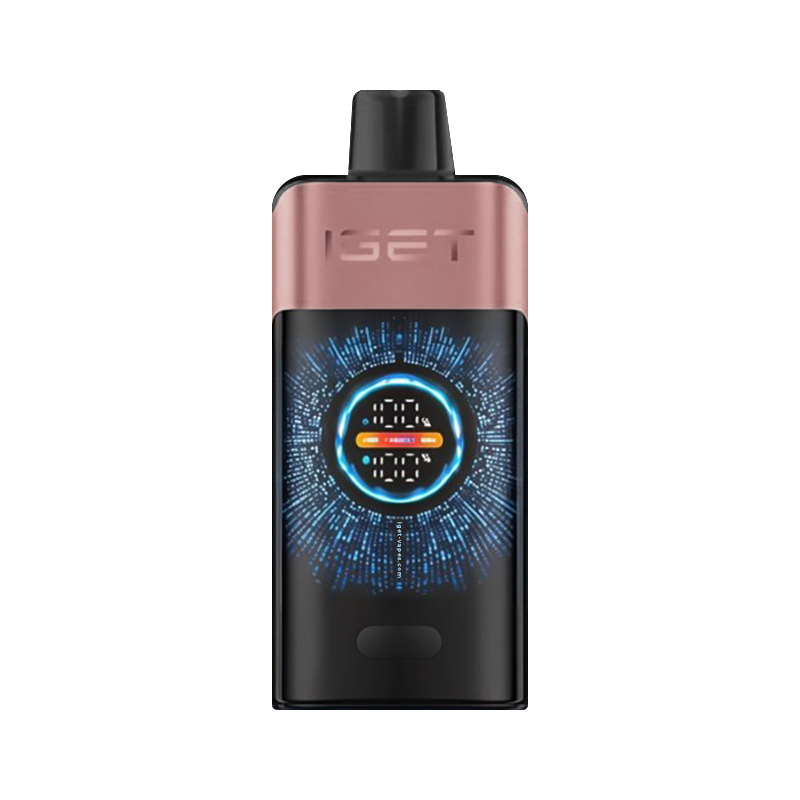
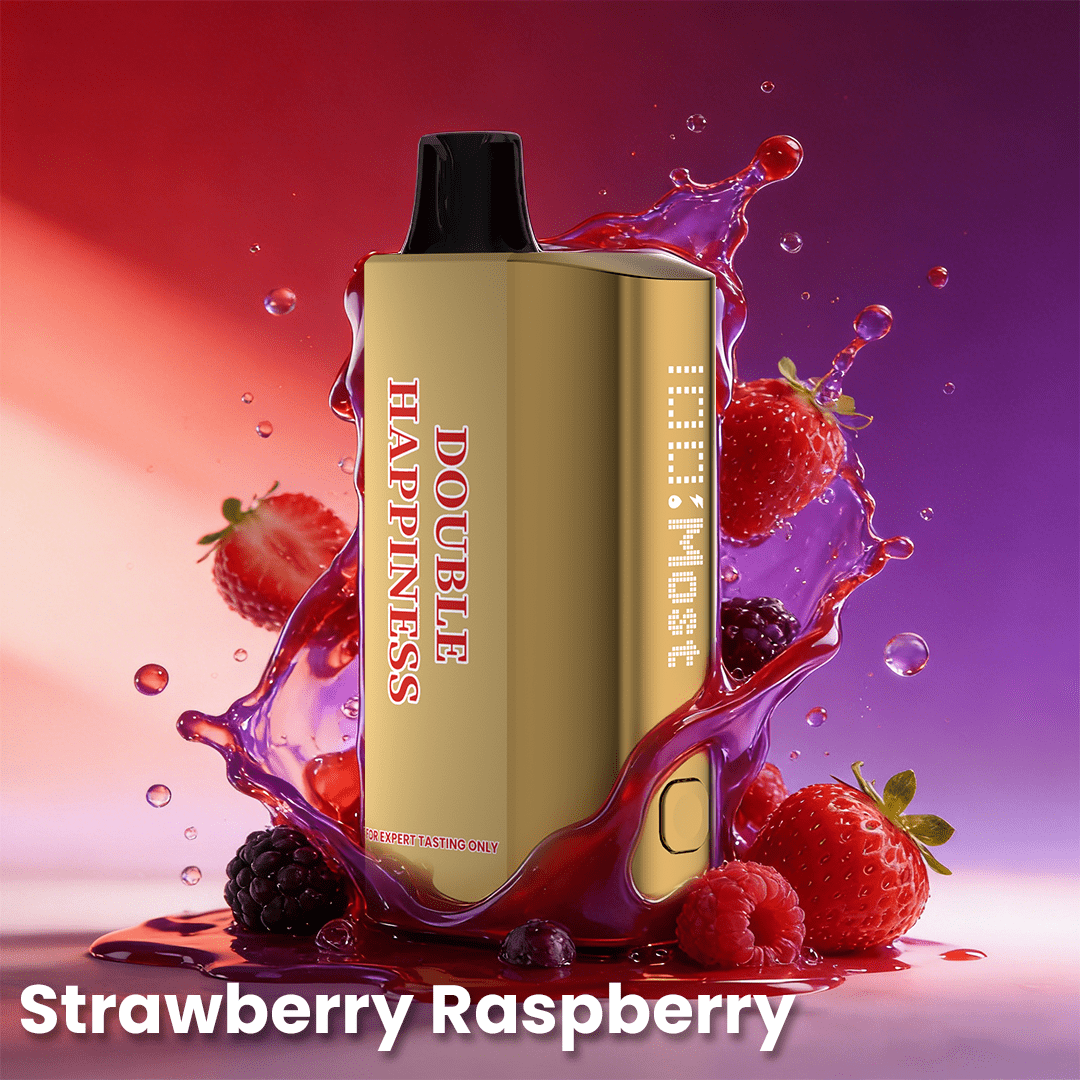
VapeClubOZ does not need to claim that one screen is perfect. The useful promise is smaller: keep changing facts on live pages, keep model facts attached to the right model, and state when a percentage cannot answer the taste question.
If you have finished the three-signal check and need to compare the current range, check current availability.
Adults only. Availability can change; the live product page is the final shopping reference.
Frequently asked questions
These questions use the same language appearing in current Google AU autocomplete. The answers keep the evidence boundary intact: they describe what the screen can report, but they do not diagnose a sealed device from a percentage or promise a fixed lifespan.
Why has my disposable vape lost its flavour?
A weaker flavour can coincide with the device approaching end of life, but the cause cannot be confirmed from taste alone. Record the exact model, screen state, vapour change and any physical warning signs. Do not open or refill a sealed device to investigate it.
Why has my vape lost taste before the screen reaches zero?
The screen and the flavour are different signals. Official product pages typically describe displays as battery, e-liquid or mode indicators, not flavour-strength meters. A non-zero percentage therefore does not guarantee that the taste will remain unchanged.
How long does vape flavour last?
There is no universal number of days or puffs for flavour quality. Published puff counts are usually “up to” ratings, while flavour performance depends on the exact model and device in hand. Use the model documentation and treat any fixed duration claim cautiously.
Is weaker flavour the same as a burnt taste?
No. A muted flavour and a persistent burnt or harsh taste are different observations. If the taste is burnt, stop trying to finish the device and use the burnt-taste guidance. If there is damage, leaking, unusual heat, odour, noise or smoke, stop using the device.
Sources and evidence boundary
Product-screen facts came from the official IGET One page and GEEK BAR HERO instructions. Vuse guidance was used only as a manufacturer example of weaker flavour or vapour near product end of life. Physical warning signs came from the Country Fire Authority. No source was used to move one model’s battery, charging, coil or mode specification onto another model.